
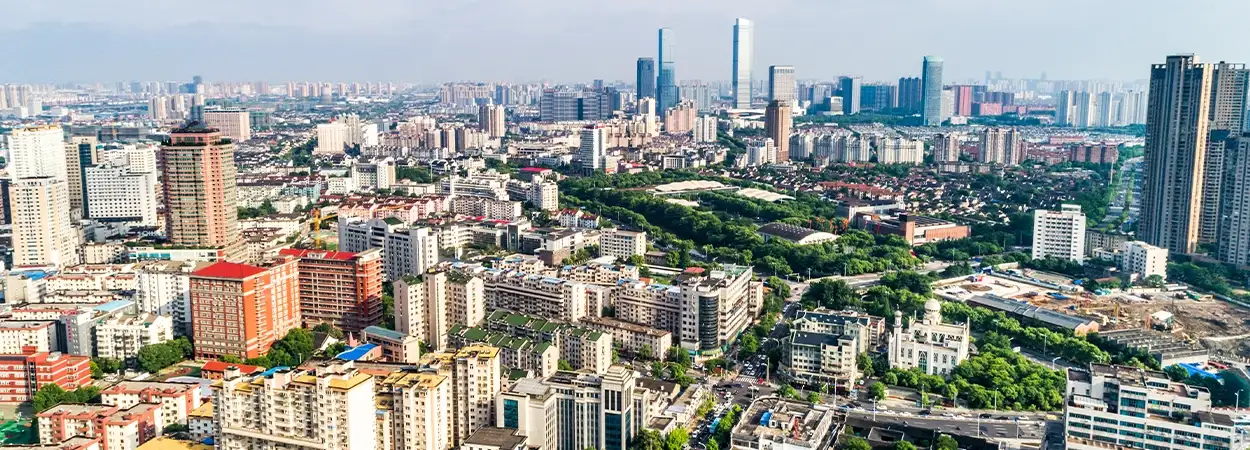
The success of any nation, its economy, and the quality of life for its citizens rests squarely on the strength of its infrastructure. Roads, metro systems, power grids, and water utilities are the foundational arteries of a modern society. At the forefront of transforming blueprints into functional, long-lasting assets are Construction Companies. Their role has evolved far beyond mere building; today, they are technology integrators, sustainability champions, and essential partners in large-scale Modern Infrastructure Development.
The dynamic environment of urbanisation, climate change, and technological advancement, particularly in regions like the Mumbai Metropolitan Region (MMR), demands a highly sophisticated approach to project execution. A modern construction firm is the linchpin that turns government vision and engineering design into practical, resilient reality.
1. Bridging the Gap: From Design to Delivery (The Core Role)
The fundamental function of a construction company is to execute the project, but modern infrastructure complexity means this involves intricate, multi-faceted responsibilities, often managed under frameworks like Engineering, Procurement, and Construction (EPC).
Strategic Project Management and Execution
- Construction Execution and Site Management: This is the core phase where plans turn physical. The General Contractor (GC) mobilizes vast resources labour, heavy machinery, materials and manages all on-site activities. Their expertise ensures that foundational work, structural assembly (e.g., bridges, tunnels), and finishing stages are completed sequentially and safely.
- Project Controls and Budgeting: Construction firms act as central project managers, coordinating hundreds of subcontractors and suppliers. They employ advanced techniques to monitor progress, manage procurement, and handle on-site logistics to ensure the project stays on schedule and budget. Managing cost overruns is a critical challenge, with over 80% of projects historically exceeding their budget, a problem modern firms are tackling with technology.
- Quality Control and Compliance: The firm is responsible for upholding safety, structural, and environmental standards. This requires rigorous quality checks, adherence to regulatory frameworks, and rapid problem-solving when site conditions deviate from initial design plans.
2. Driving Efficiency Through Digital Transformation (Tech Integration)
The integration of advanced technologies has redefined the efficiency, accuracy, and safety of large-scale infrastructure projects. Construction Companies are now major adopters of digital platforms, leveraging data to move away from traditional, error-prone methods.
Key Technologies Shaping Infrastructure Construction
- Building Information Modeling (BIM): BIM is essential for modern infrastructure. It allows architects, engineers, and contractors to collaborate using a digital twin, a detailed 3D model enriched with structural, material, and scheduling data. This significantly improves accuracy, reduces design errors, and allows for real-time adjustments before construction begins.
- Artificial Intelligence (AI) and Data Analytics: AI and Machine Learning (ML) are transforming project intelligence. They evaluate vast data sets (historical project trends, change orders, site sensor data) to improve predictive maintenance schedules, optimize resource allocation, and enhance site safety by identifying potential hazards in real-time.
- Drones, Robotics, and IoT: Drones provide quick, accurate site surveying and progress monitoring. IoT sensors embedded in equipment track performance and predict maintenance needs, reducing expensive downtime. Robotics are increasingly automating repetitive tasks like bricklaying and welding, improving speed and precision in construction.
3. The Mandate for Resilience and Sustainability (ESG)
With growing awareness of climate change and environmental impact, construction firms carry the responsibility of delivering infrastructure that is not only functional but also sustainable and resilient. Green Construction practices are now an ethical and economic necessity.
Building Resilient and Sustainable Infrastructure
- Sustainable Construction Practices: Modern companies integrate features like rainwater harvesting, solar energy utilization, and the use of low-carbon materials. This focus aligns with global ESG goals and ensures the longevity and reduced operational cost of the asset.
- Climate Resilience: Firms are explicitly designing and constructing infrastructure to withstand increasingly severe weather events. This includes building flood-resistant housing, earthquake-resistant structures, and advanced stormwater management systems to protect urban populations.
- Addressing Community Needs: The role extends to social responsibility. Developers often incorporate green spaces and ensure that projects contribute positively to community well-being, enhancing access to essential services like healthcare and education, thereby improving the overall quality of life.
4. Shaping the Future: Smart Cities and Urban Development
Construction firms are the primary implementers of Smart City initiatives. These complex projects require the integration of physical civil engineering with cutting-edge digital technologies.
Creating Integrated Smart Systems
- Digital Integration: For projects like the Mumbai Metro or integrated traffic management systems, construction companies install the physical infrastructure the tracks, the stations, the utility ducts, while simultaneously laying the foundation for IoT devices, sensors, and communication networks.
- Connected Urban Systems: They are responsible for building Smart Grids that optimize energy use, installing smart sensors for waste management, and creating the backbone for intelligent traffic control, ensuring all urban systems are connected and data-driven.
- Economic Catalyst: By ensuring timely and quality delivery of major projects (highways, ports, data centers), Construction Companies stimulate economic activity, attract investment, and significantly improve regional linkages, contributing directly to a region’s GDP growth.
The Modern Construction Company is indispensable to Modern Infrastructure Development. They are the guardians of quality, the drivers of innovation, and the practical executors of national progress. Choosing a developer with a proven track record, technological sophistication, and a deep commitment to sustainable construction is the first step toward building a truly future-ready city.
Invest in certainty. Partner with a leader in infrastructure and residential development. Call us now at +91 8855031343 for expert consultation on your next project or investment.